
Discover Balanced Meals Built on Food Groups
At Balanced Meal Journey, we believe that eating well starts with understanding food groups. Explore how proteins, grains, vegetables, fruits, and dairy work together to create nutritious, satisfying meals that fit your lifestyle.
The information on this site is for educational purposes only and does not constitute medical advice. Always consult a qualified healthcare professional before making health decisions.
Why Food Groups Matter for Your Health
Each food group brings essential nutrients your body needs. Learn how to combine them strategically for meals that nourish, energize, and satisfy.
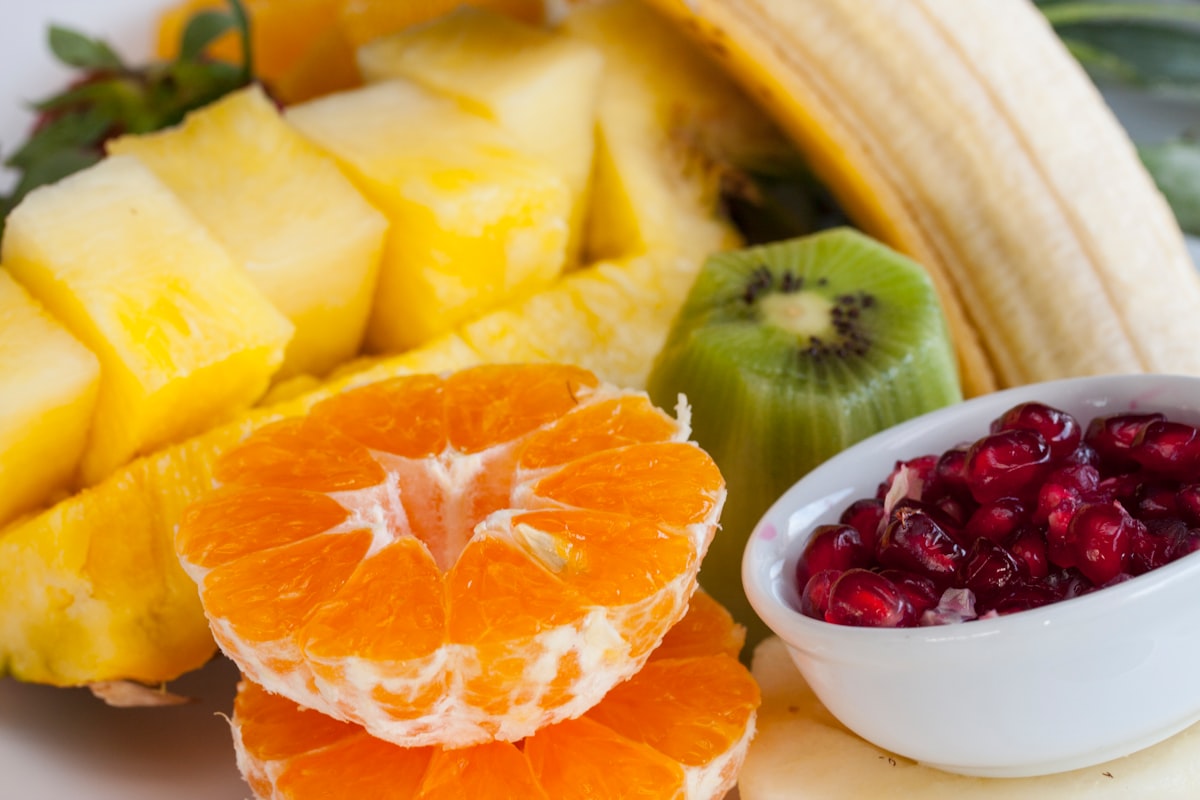
Complete Nutrition
Food groups work together to provide vitamins, minerals, fiber, and protein your body needs every day. Understanding these categories helps you make choices that cover all nutritional bases in every meal.
Sustainable Energy
Different food groups release energy at different rates. Combining protein, healthy grains, and vegetables creates meals that keep you satisfied and energized throughout your day.
Better Food Choices
When you know what each group offers, shopping and meal planning become intuitive. You'll naturally build variety into your diet and discover new favorite recipes.
Explore Recipes by Food Group
Each food group has unique benefits. Discover how to incorporate more of each into your everyday meals.
Vegetables
Packed with vitamins, minerals, and fiber, vegetables are the foundation of balanced eating. From leafy greens to root vegetables, each variety offers distinct nutritional benefits that support your overall wellness.
- Rich in antioxidants and fiber
- Support digestive health
- Low in calories, high in nutrients
Fruits
Nature's candy provides natural sugars, vitamins, and phytonutrients that your body loves. Fruits add sweetness to meals while delivering vital nutrients and supporting healthy energy levels throughout the day.
- Natural vitamins and hydration
- Supports immune function
- Perfect for snacks or desserts
Grains
Whole grains are your body's primary fuel source, providing sustained energy and important B vitamins. From brown rice to whole wheat bread, grains form the foundation of filling, satisfying meals.
- Sustained energy release
- B vitamins and fiber
- Keeps you feeling full longer
Protein
The building blocks of life, proteins repair tissues, build muscle, and create enzymes your body relies on. Find protein in meat, fish, beans, nuts, and dairy to keep your body strong and resilient.
- Builds and repairs muscle
- Creates essential enzymes
- Provides long-lasting fullness
Dairy & Alternatives
Dairy products provide calcium and vitamin D essential for strong bones and teeth. Whether you choose milk, yogurt, cheese, or plant-based alternatives, this group supports bone health and overall strength.
- Strong bones and teeth
- Calcium and vitamin D
- Supports muscle function
Healthy Fats
Don't skip the fats—your body needs them! Healthy fats from olive oil, nuts, seeds, and avocado support heart health, brain function, and nutrient absorption in every balanced meal.
- Heart and brain health
- Absorbs fat-soluble vitamins
- Supports hormone balance
Visual Recipe Collection
See how food groups come together in real recipes. Each meal is designed to balance nutrition with taste.
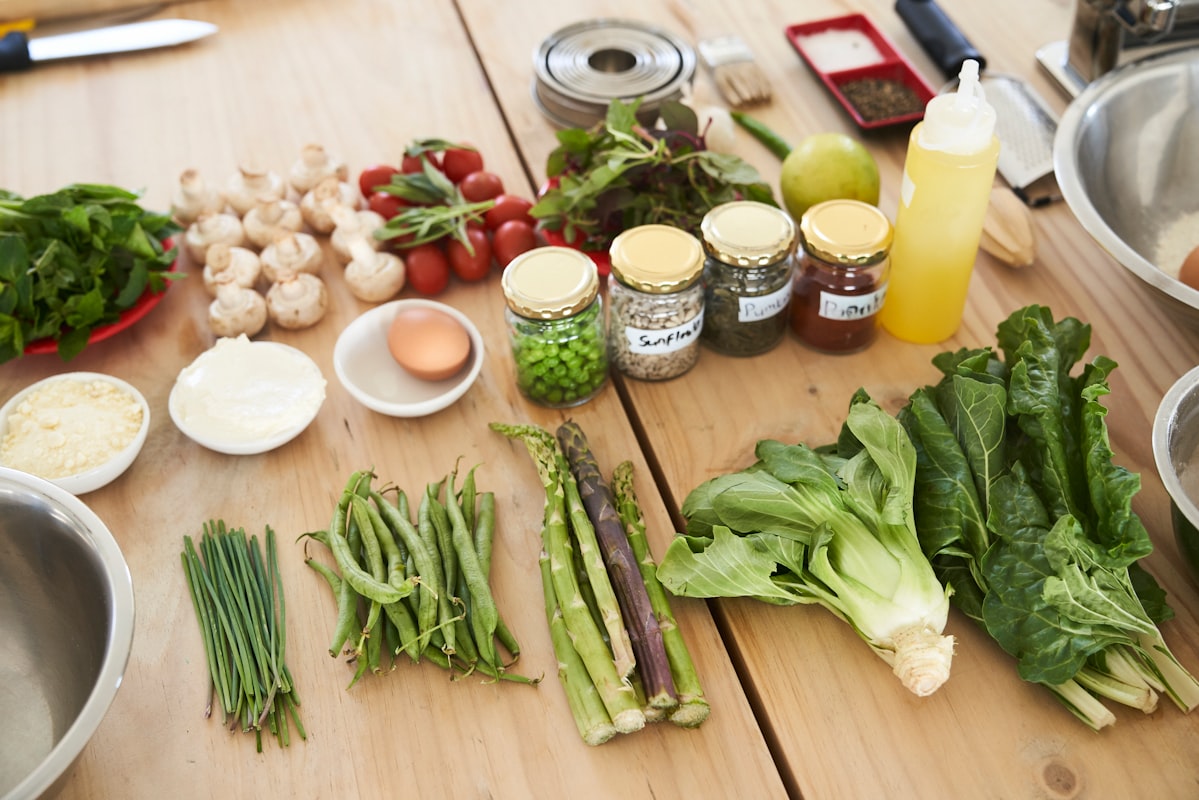
Mediterranean Grain Bowl
Combines whole grains, fresh vegetables, protein-rich legumes, and healthy olive oil for a meal that nourishes and satisfies.
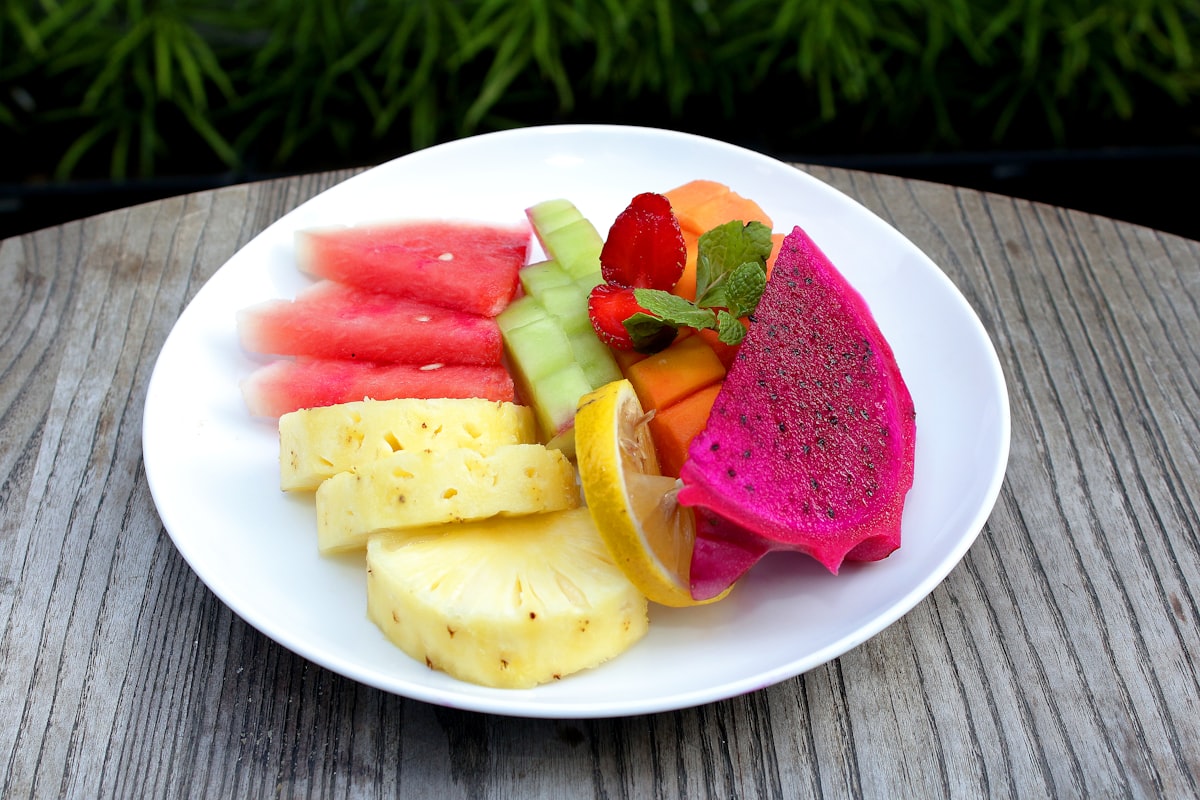
Berry & Yogurt Breakfast Bowl
Fresh fruits provide vitamins while yogurt adds protein and calcium. Granola and nuts add grains, fiber, and healthy fats for a complete start to your day.
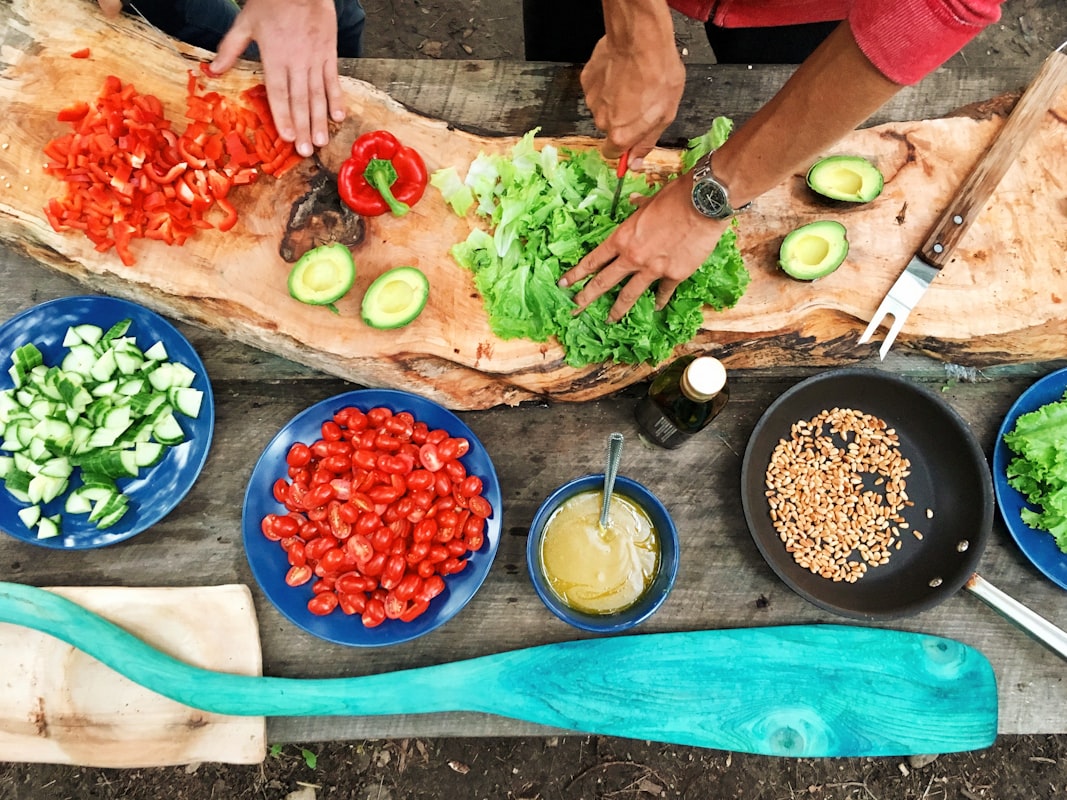
Grilled Salmon Dinner
Salmon provides omega-3 fats and protein, paired with whole grain rice and roasted seasonal vegetables for a balanced, restaurant-quality meal at home.
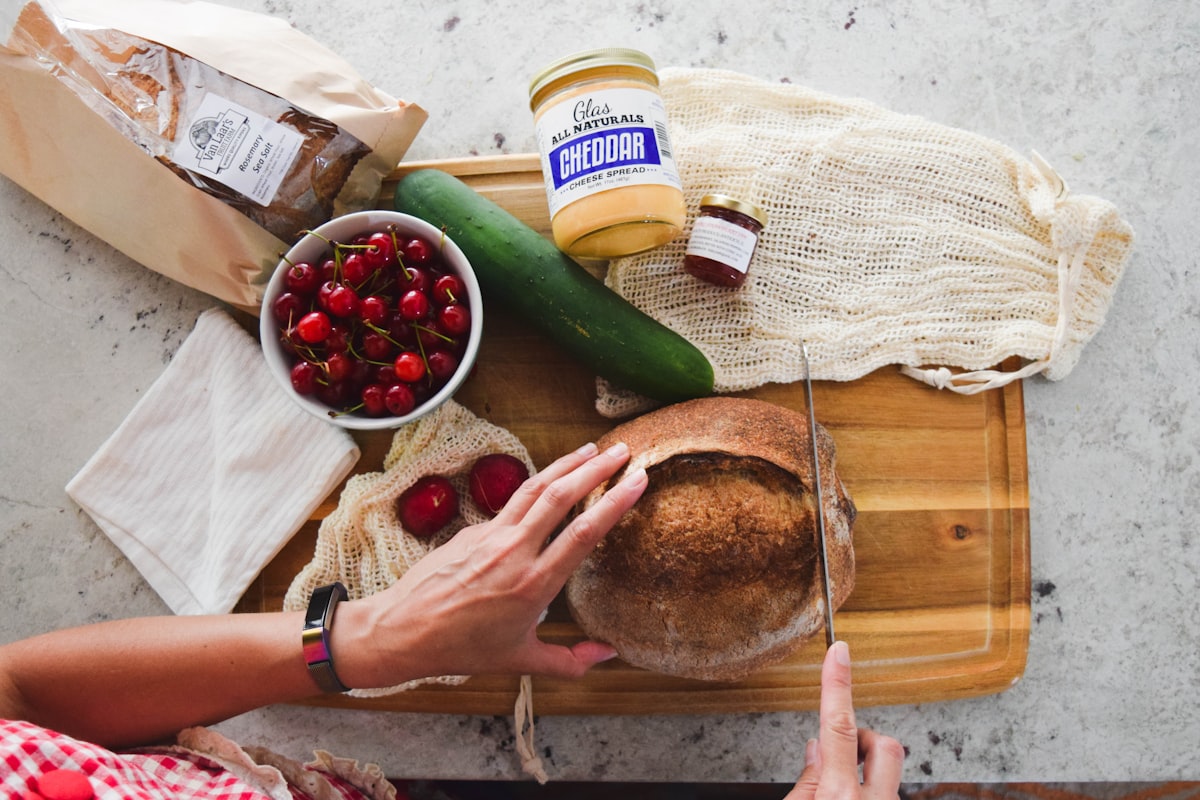
Spiced Chickpea Curry
Chickpeas deliver plant-based protein and fiber, while spinach adds iron and nutrients. Served with brown rice and coconut milk for a warming, complete meal.
4 Steps to Building Nutritious Meals
Creating balanced meals is simpler than you think. Follow these steps to combine food groups strategically.
Choose Your Protein
Start by selecting a protein source—chicken, fish, legumes, tofu, or dairy. This is your meal's anchor and will keep you satisfied throughout the meal.
Add Whole Grains
Include a whole grain like brown rice, quinoa, oats, or whole wheat pasta. Grains provide fiber and sustained energy that complements your protein beautifully.
Load Up on Vegetables
Fill at least half your plate with colorful vegetables—raw, steamed, roasted, or sautéed. Vegetables add volume, nutrients, and flavor without excess calories.
Finish with Healthy Fats
Add a drizzle of olive oil, a handful of nuts, seeds, or sliced avocado. Healthy fats enhance flavor and help your body absorb vital nutrients from the meal.
Pro Tip
Use the "plate method" as your visual guide: fill one quarter with protein, one quarter with grains, and the remaining half with vegetables. Add a serving of fruit or dairy on the side, and you've created a balanced meal that satisfies all food group requirements.
Common Questions About Balanced Eating
Explore answers to questions about food groups, meal planning, and creating nutritious meals for your lifestyle.
Daily recommendations vary by age, gender, and activity level, but general guidelines suggest:
- • Vegetables: 2.5 to 3 cups per day (aim for variety and color)
- • Fruits: 1.5 to 2 cups per day (whole fruits preferred over juice)
- • Grains: 5 to 8 ounces per day (at least half should be whole grains)
- • Protein: 5 to 6.5 ounces per day (mix plant and animal sources)
- • Dairy: 3 cups per day or equivalent calcium from alternatives
The most important principle is balance—no single food group should dominate your plate or diet. Our recipes showcase healthy proportions you can adapt to your own preferences.
Absolutely! Our approach to food groups is flexible and inclusive. For plant-based eating:
- • Replace animal protein with beans, lentils, tofu, tempeh, or nuts
- • Use plant-based milk alternatives for the dairy group
- • Combine different plant proteins throughout the day for complete amino acid profiles
- • Grains, vegetables, and fruits remain the same
Many of our featured recipes are already vegetarian-friendly or easily adaptable. The core principle—balancing food groups—works beautifully for any dietary preference.
Each food group provides different nutrients your body cannot produce on its own. Vegetables and fruits offer vitamins and fiber; grains provide energy and B vitamins; proteins build and repair tissues; dairy strengthens bones; and healthy fats support hormone and brain function. When you balance all groups, you're covering all your nutritional bases and creating meals that truly nourish your body. Eating from all groups also naturally increases dietary variety, which keeps meals interesting and ensures you don't miss important micronutrients found in different foods.
Using the food group framework makes meal prep logical and simple:
- • Sunday prep: Cook 2-3 grains (rice, quinoa, pasta), 2-3 proteins (grilled chicken, baked tofu, cooked lentils), and roast a big batch of mixed vegetables
- • During the week: Mix and match components—same grain base, different proteins and vegetable combinations
- • Flavor with healthy fats: Keep olive oil, nuts, seeds, and avocados on hand to dress up plain components
- • Add fresh elements: Include fresh fruits and vegetables that don't need cooking for crunch and brightness
This approach eliminates repetition while keeping prep simple. You're making versatile building blocks instead of identical meals.
You don't need expensive supplements or specialty foods to balance your macros. Here's the budget-friendly approach:
- Proteins: Eggs, canned beans, lentils, Greek yogurt, and chicken thighs (cheaper than breasts) are affordable staples
- Carbs: Rice, oats, potatoes, pasta, and whole grain bread provide budget-friendly energy
- Fats: Oils, nuts, seeds, and fatty fish like canned sardines or mackerel are cost-effective
- Smart shopping: Buy in bulk, choose store brands, and focus on sale items rather than premium products
The key is understanding that expensive doesn't equal better nutrition. A simple meal of beans, rice, and seasonal vegetables has excellent macro balance and costs just dollars to prepare.
Success Stories
Real people achieving their health goals with balanced meal planning
Jennifer Martinez
Lost significant weight in 5 months
"Balancedmealjourney made meal planning so simple. I stopped guessing and started seeing real results. The budget tips saved me $200 a month!"
Robert Chen
Improved energy, reduced bloating
"As someone with a busy schedule, I needed meals I could prep quickly. These strategies work perfectly, and I feel incredible."
Sarah Kim
Balanced nutrition, stress-free eating
"No more overthinking meals. The framework is practical, affordable, and genuinely sustainable. This changed my relationship with food."
Ready to Transform Your Meals?
Start planning balanced, affordable, and delicious meals today. Your healthier future begins with one simple meal.
No credit card required • 100% free resources • Join 50,000+ people on their balanced meal journey
BalancedMealJourney
Your guide to simple, affordable, and nutritious meal planning for lasting health.
Resources
Support
© 2024 BalancedMealJourney – USt-IdNr.: DE931120133. All rights reserved. | Designed for health-conscious individuals seeking sustainable nutrition.